
NYC Local Law 97 Penalties Start in 2030: Your Metering Roadmap to Compliance
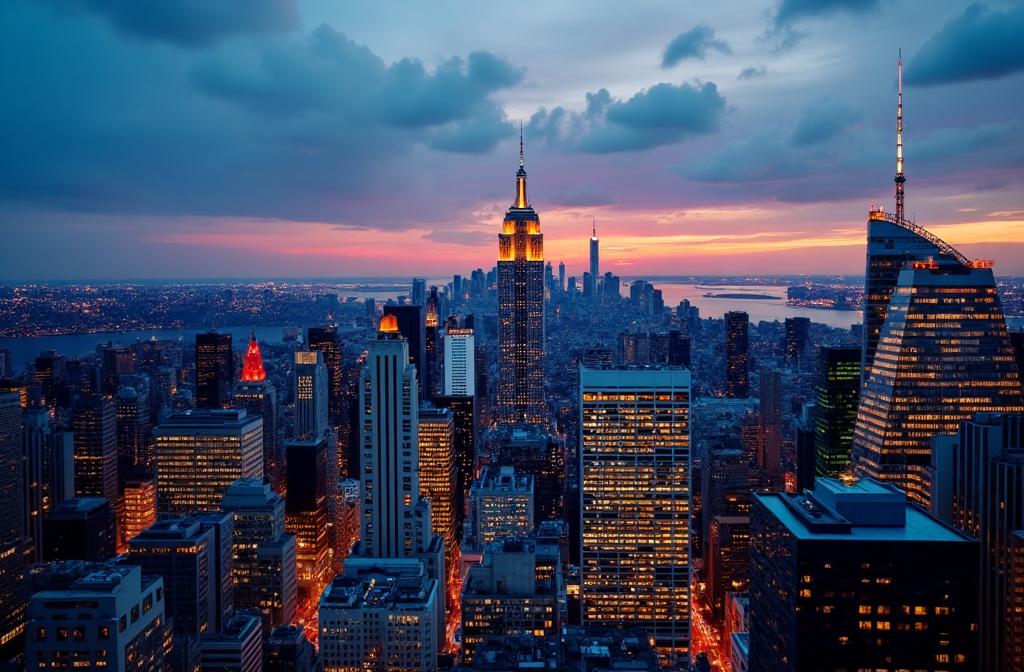
New York City's commercial buildings must prepare for strict energy emissions limits. Local Law 97 (LL97) enforcement begins in 2030. This law sets greenhouse gas emission caps for large buildings. Buildings over 25,000 square feet are impacted, totaling about 50,000 properties.
The first compliance period (2024–2029) has flexible limits. Most buildings can meet these. However, 2030–2034 limits are much stricter. Buildings will need to reduce emissions by 40% or more from 2005 levels. Penalties are severe: $268 per metric ton of CO₂e over the limit, per year.
For example, a 200,000-square-foot office building could face high fines. Exceeding its limit by 500 metric tons means $134,000 in annual fines. Over five years, this is $670,000. These costs do not include damage to reputation or property value.
How Does LL97 Impact My Building?
Understanding your building's emissions is the first step. LL97 emissions are based on energy use. This use is multiplied by emission coefficients for each fuel type.
What Are Emission Coefficients?
- Electricity: Based on New York's power grid mix. This coefficient decreases as the grid becomes cleaner.
- Natural Gas: A fixed coefficient for combustion emissions.
- Steam (district): Depends on the steam provider's generation methods.
- Fuel Oil: Has the highest coefficient per unit of energy.
Utility bills do not specify which systems cause emissions. A commercial building's energy consumption is typically split among several key areas:
- HVAC systems: 40–60% of total energy (heating, cooling, ventilation, pumps).
- Lighting: 15–25% of total energy.
- Plug loads and equipment: 10–20% of total energy.
- Domestic hot water: 5–15% of total energy.
- Elevators and common areas: 5–10% of total energy.
Without submetering, efficiency upgrades are based on guesswork. LL97 penalties can be very costly. Guessing which systems to improve is a risky and expensive strategy.
Why is Submetering Essential for LL97 Compliance?
Circuit-level energy metering changes LL97 compliance. It turns it from guesswork into precise, data-driven action. This detailed reporting helps make informed decisions for your energy metering needs.
1. Detailed System Consumption Breakdown
Installing meters on major mechanical systems provides exact energy use data. These systems include chillers, boilers, air handlers, lighting panels, and elevators. This data quickly shows where energy is used most. It highlights systems with the biggest potential for energy reduction.
For example, a Midtown office building found high energy use. Its two old chillers used 38% of yearly electricity. This was much higher than the 25–30% benchmark. Replacing these chillers could cut building emissions by 15%. This would make them LL97 compliant by 2030.
2. Identifying Operational Waste
Metering data reveals hidden patterns that utility bills do not show. Common wasteful findings include:
- HVAC running after hours, even with low occupancy.
- Heating and cooling systems operating simultaneously.
- Lighting schedules not matching actual occupancy.
- Gradual increases in minimum energy use, indicating problems.
These inefficiencies can waste 15–25% of a building's energy. Fixing them often does not require new equipment. It just needs better controls and scheduling, guided by meter data.
3. Measuring and Verifying Capital Projects
Investments in efficiency need proof of their impact. Examples include LED lights, VFDs on pumps, building insulation, or electric heating. Submetering provides measurement and verification (M&V) data. This proves the project's effectiveness.
This data is key for LL97 compliance reports. The Department of Buildings requires proof of emission reduction actions. Metering data gives clear evidence that your investments are working.
What Does a Practical Metering Architecture Look Like?
A metering system for LL97 needs fine data without disrupting operations. This architecture provides compliance-grade data.
Electrical Distribution
Install multi-circuit meters at electrical panels. Place them where they serve major mechanical systems. A typical building needs 8–15 metering points. This covers over 90% of electrical use by system:
- Main switchgear (whole-building reference).
- Chiller plant distribution.
- Boiler plant and domestic hot water.
- Air handling unit panels (per floor or zone).
- Lighting panels (per floor or zone).
- Elevator feeders.
- Tenant/plug load panels.
Natural Gas and Steam
For buildings using gas heating or district steam, install BTU meters. Place them on main thermal distribution systems. This helps accurately track thermal energy. It covers space heating, hot water, and process loads.
Data Platform
Connect all meters to a central monitor. EMK Dash works for simple setups. Obvius AcquiSuite is for complex BACnet/Modbus integrations. The platform needs to provide:
- 15-minute interval data logging.
- Automatic daily and monthly energy reports.
- Alerts for unusual data.
- API access for sustainability tools.
- Historical data for year-over-year comparison.
What is the LL97 Compliance Roadmap?
With metering in place, buildings can follow a clear path to 2030 compliance:
Year 1: Baseline and Discovery
Install your metering system. Collect 12 months of baseline data. This helps identify waste and inefficiencies. Address these with low-cost or no-cost operational changes. Buildings often see 10–20% energy reduction here. This is achieved by:
- Optimizing HVAC schedules to match occupancy.
- Stopping simultaneous heating and cooling.
- Adjusting temperature settings based on actual needs.
- Fixing faulty dampers and control valves.
Year 2: Strategic Capital Planning
Use Year 1 data to plan capital improvements. Metering data shows the exact emissions reduction for each project. This helps you invest wisely. High-impact projects include:
- Chiller replacement or optimization. This can cut cooling energy by 30–50%.
- LED lighting retrofits. These typically cut lighting energy by 50–70%. Payback periods are under 3 years.
- Variable frequency drives (VFDs) on pumps and fans. These cut motor energy by 20–40%.
- Building automation system (BAS) upgrades. These allow for smart ventilation and optimized sequencing.
Years 3–4: Implementation and Verification
Start your capital projects while metering is active. The metering system acts as your M&V infrastructure. It gives real-time feedback on project savings. If a project underperforms, metering data helps diagnose and fix the issue.
Year 5 (2030): Compliance Demonstration
With metering data, you have all you need for LL97 compliance reporting. Data verifies your baseline and improvement. It also shows current performance. This gives confidence in your compliance. It provides strong documentation for regulators.
Are There Financial Incentives for LL97 Compliance?
New York offers incentives for metering and efficiency. These help offset costs:
- NYSERDA: Offers technical help and cost-sharing. This is for energy studies, submetering, and projects. Programs include Commercial New Construction and Existing Buildings.
- Con Edison: Provides demand response incentives. It also offers commercial efficiency rebates. These can help with metering hardware costs.
- NYC Accelerator: Offers free advice. It helps building owners plan decarbonization and get financing.
- C-PACE financing: Property Assessed Clean Energy financing is available. Investments in efficiency and metering can be repaid via property taxes.
Many building owners find incentives cover substantial costs. Rebates, tax breaks, and operational savings often cover 60–80% of metering costs within two years.
How Does LL97 Affect Property Value?
LL97 compliance does more than prevent penalties. It directly impacts property value. Investors and lenders now consider emissions compliance in their evaluations.
- Non-compliant buildings may see cap rate compression. This means investors discount future penalty risks.
- Buildings certified LEED or Energy Star can get 5–15% higher rent in NYC.
- Green building certifications, supported by metering for energy metering, are becoming standard. They are often needed for Class A office tenants.
- Mortgage lenders are starting to ask for emissions compliance documents for loans.
Metering investments help with LL97 compliance. They also support green certifications. They aid tenant sustainability reports and property marketing. This creates value beyond just avoiding fines.
Conclusion: Act Now for 2030 Compliance
The 2030 LL97 limits are firm and may even tighten. Waiting until 2029 will lead to rushed capital spending and limited contractor choices. It will also cause stress to meet the penalty deadline.
The smart move is to install metering now. Identify reduction opportunities over the next year. Then, execute a planned, cost-effective compliance strategy. The data collected by your meters today will guide every compliance decision for the next decade.
Knowing your building's emissions starts with accurate numbers. Circuit-level energy metering provides these numbers. They are accurate, continuous, and in the format regulators require.
Ready to take the next step?
Let Emergent Energy show you what circuit-level monitoring can do for your facility.
Related Articles
Green Building United 2026 Sustainability Symposium: What to Expect After a Landmark 2025 Event
Mar 14, 2026 · 8 min read read
Energy Code Compliance Is Coming for Your Building — Are You Ready?
Mar 10, 2026 · 8 min read read
LCFS EV Charging Credits in 2026: How Metering Unlocks Maximum Credit Revenue
Mar 5, 2026 · 10 min read
About Emergent Metering Solutions
Emergent Metering Solutions provides commercial and industrial metering hardware, installation support, and energy analytics services. We specialize in electric meters, water meters, BTU meters, compressed air meters, gas meters, and steam meters with Modbus RTU, BACnet IP, pulse output, and wireless communication options. Our Managed Intelligence services deliver automated reporting, anomaly detection, tenant billing, and AI-powered consumption forecasting. We support compliance with IECC 2021, ASHRAE 90.1-2022, NYC Local Law 97, Boston BERDO 2.0, DC BEPS, California LCFS, and EU CSRD requirements.
Contact our engineering team for meter selection guidance, system design, and project quotes.