
How IECC 2021 and ASHRAE 90.1 Achieve Operational Performance through Metering and Load Segregation
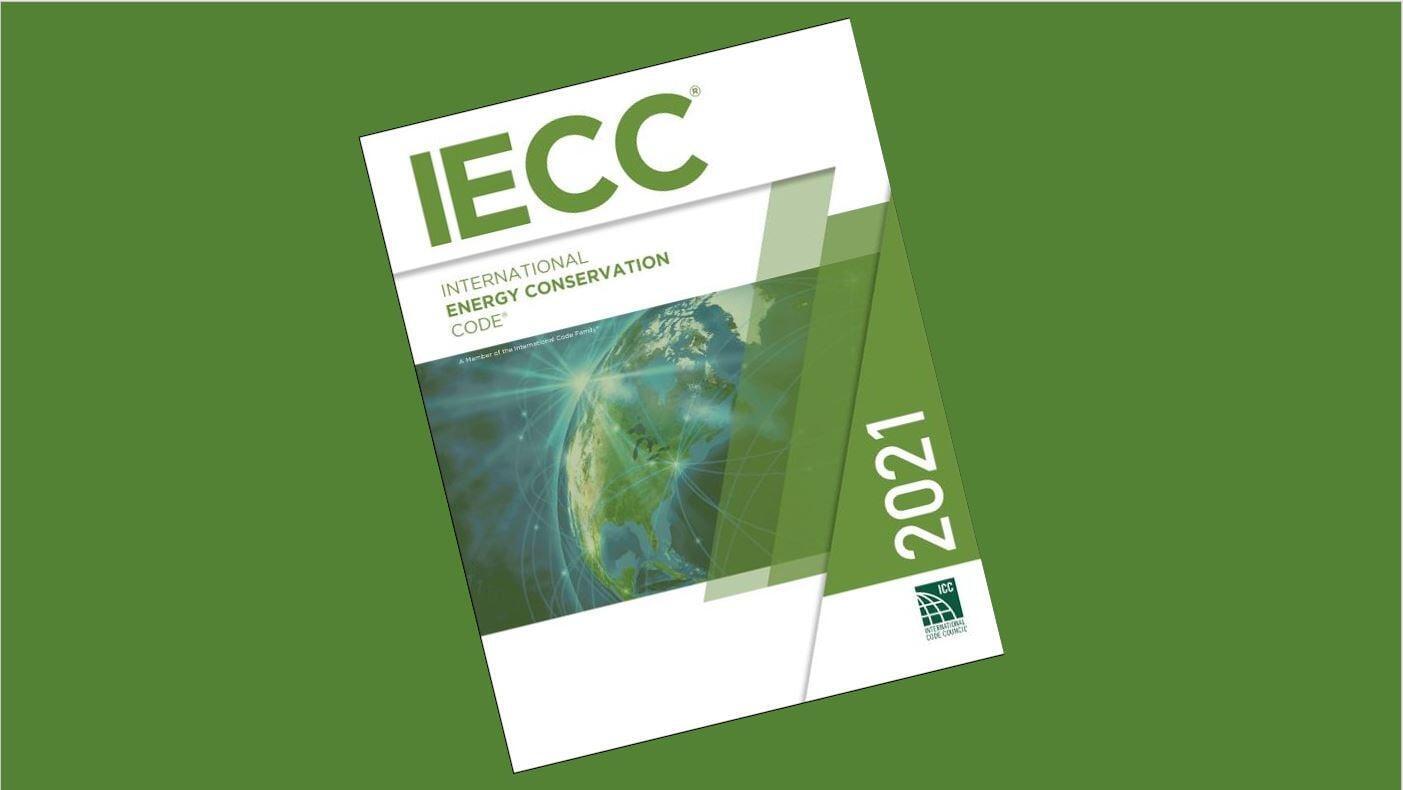
The International Energy Conservation Code (IECC) 2021 and ASHRAE Standard 90.1 aim to cut commercial building energy use. They do this through better design, construction, and operation. A key method is combining energy metering with load segregation.
Load segregation monitors different energy uses separately. This helps optimize energy consumption. This article shows how these standards achieve operational performance through metering and load segregation. Building professionals can learn what they need to know for compliance.
The Connection Between IECC and ASHRAE 90.1
Different groups developed IECC and ASHRAE 90.1. Yet, they are closely linked. The IECC refers to ASHRAE 90.1 for commercial building compliance. A building meeting ASHRAE 90.1 usually meets IECC too. However, the 2021 IECC added new rules. Some go beyond ASHRAE 90.1-2019, especially for metering.
Understanding these standards is key for building professionals. Navigation of compliance needs knowing where they differ.
IECC 2021 Metering Rules
IECC 2021 Section C405.12 covers metering. It requires whole-building energy monitoring for all commercial buildings. Buildings with services over 250 kVA need electrical submetering. Meters must record data hourly or more often. They must store data for at least 36 months. Data should be available through a building automation or energy management system.
The IECC specifies which end-use categories must be metered separately:
- HVAC
- Interior lighting
- Exterior lighting
- Receptacle/plug loads
ASHRAE 90.1 Metering Rules
ASHRAE 90.1’s metering rules are in Section 8.4.3. These rules have changed a lot in recent versions. The 2019 edition set full metering requirements similar to IECC 2021. The 2022 edition expanded them. It added lower thresholds, more end-use categories, and new rules for real-time data access and fault detection.
ASHRAE 90.1 focuses on performance for load segregation. It emphasizes what metering should achieve. This includes energy optimization and fault detection. It does not dictate exact meter setups.
How Load Segregation Boosts Operational Performance
Load segregation is essential for managing building energy. It monitors different energy uses separately. Without it, operators see total energy use. They cannot find systems causing problems or high costs.
How Load Segregation Improves Performance
Load segregation helps in many ways:
- Establishes baselines: It sets performance baselines for individual systems. Operators understand normal patterns for HVAC, lighting, and plug loads. They can spot when a system acts unusually.
- Detects faults: If total energy use rises, load segregation shows which system is responsible. Without this data, troubleshooting takes manual checks. This delays fixing issues.
- Targets optimization: It shows which systems offer the most savings. HVAC often uses 40-60% of total energy. This makes it a top target. Load segregation data helps operators know each system's impact.
- Measures and verifies: When efficiency improves, load segregation data verifies savings. It uses system-level data, not whole-building data. This makes measurements more accurate.
- Engages occupants: Data on energy use can involve occupants. When tenants see their own energy use, they save more.
Applying Load Segregation
Load segregation needs careful planning. This starts in the design phase. It also requires attention during construction.
Electrical Panel Design
Design electrical panels to group circuits by use. This is the most cost-effective way to segregate loads. Put HVAC, lighting, and receptacle circuits on separate panels. Or, use separate panel sections. Then, metering can happen at the panel level. This is easier than metering individual circuits.
This needs coordination among engineers. The mechanical engineer specifies HVAC, electrical designs power, and lighting designer specifies lighting. Early planning avoids costly re-designs.
Meter Choice and Placement
Design meters to capture needed end-use categories. Consider meter accuracy (1-2% is often enough). Think about communication protocols like BACnet, Modbus, or wireless. Check physical space in panels. Ensure compatibility with the building’s energy management platform.
Thermal Load Segregation
Electrical load segregation is important. But thermal load segregation is key for buildings with central heating and cooling. This involves metering energy at central plants. It also meters thermal energy to zones or systems. This helps calculate plant efficiency.
Thermal metering uses Btu meters. These measure flow rate, supply temperature, and return temperature. This calculates thermal energy.
Data Integration
Load segregation creates a lot of data. This data needs collection, storage, and analysis. It must be presented in useful ways. A strong data infrastructure is vital. This includes data collectors like gateways and concentrators. These aggregate data from many meters. It needs cloud or on-site storage for 36+ months of data. Analytics engines help find patterns. Dashboards and reports present data actionably.
Case Study: Office Building Load Segregation
An office building used load segregation and saved money. This 200,000-square-foot building added subcircuit monitoring. It covered all major energy uses.
Before this, the building's energy cost was about $600,000 yearly. Its ENERGY STAR score was 62. This was above average but could improve a lot. Operators knew the building used too much energy. They didn't know why.
After load segregation, the energy team found problems quickly. The HVAC system used 55% of the total energy. This was high, as similar buildings used about 42%. HVAC subcircuit data showed the chilled water plant ran when empty. This cost $45,000 yearly in wasted energy. Lighting use during work hours was 20% higher than planned. A control issue stopped daylight harvesting.
Within six months, the team fixed these issues. They cut annual energy costs by $85,000, a 14% reduction. The ENERGY STAR score rose from 62 to 78. The metering system keeps finding new ways to save energy.
Compliance Strategies
Building professionals need to handle IECC 2021 and ASHRAE 90.1 rules. Here's a suggested approach:
- Find the right standard: Know which standard applies to your area. Often, both IECC and ASHRAE 90.1 apply. The stricter rule usually wins.
- Design for the toughest rules: If designing for ASHRAE 90.1-2022, your metering system will likely exceed IECC 2021 rules.
- Plan early: Get all design members involved early. This includes architects, engineers, and contractors. Plan metering from the start.
- State performance needs: Use project specs to define metering and load segregation. This ensures proper equipment installation.
- Test completely: Include metering systems in commissioning. Check accuracy, data quality, and system integration.
Emergent Metering helps building teams with load segregation. We ensure compliance with IECC 2021 and ASHRAE 90.1. We offer design help, installation, and commissioning. Our expertise helps buildings perform as designed.
From Compliance to Competitive Edge
IECC 2021 and ASHRAE 90.1 set minimum metering standards. Building owners who only see this as compliance miss a big chance.
Buildings that go beyond code-minimum metering gain an advantage. They install comprehensive circuit-level monitoring. This includes circuit-level metering. First, they save more energy, typically 15–25% more. This is beyond what basic metering shows. Knowing HVAC uses 45% of energy is one thing. Knowing AHU-3 runs 4 hours longer than AHU-4 is actionable.
Second, full monitoring helps in the leasing market. Tenants with ESG goals want energy data. Buildings showing real-time energy dashboards attract quality tenants. They can charge higher rents. This includes documented improvements and verifiable metrics.
Third, the data infra-structure for code compliance is also useful. It enables predictive maintenance and demand charge management. It also helps with automated fault detection. These features go beyond energy savings. They cut maintenance costs, extend equipment life, and improve comfort.
For building owners, the advice is clear. Invest in monitoring that meets code and optimization goals. The extra cost to go beyond minimum code is small. The added value is great. Wireless, self-powered sensors, like those from Panoramic Power, make this possible. They cut wiring, shutdown, and maintenance costs.
IECC 2021 and ASHRAE 90.1 metering rules are changing. Wireless monitoring technology is advancing. This creates a turning point. The technology now meets code and offers deep savings. Building owners who see this will save more. They will also improve asset value and operational costs.
Related Articles
Green Building United 2026 Sustainability Symposium: What to Expect After a Landmark 2025 Event
Mar 14, 2026 · 8 min read read
Energy Code Compliance Is Coming for Your Building — Are You Ready?
Mar 10, 2026 · 8 min read read
LCFS EV Charging Credits in 2026: How Metering Unlocks Maximum Credit Revenue
Mar 5, 2026 · 10 min read
About Emergent Metering Solutions
Emergent Metering Solutions provides commercial and industrial metering hardware, installation support, and energy analytics services. We specialize in electric meters, water meters, BTU meters, compressed air meters, gas meters, and steam meters with Modbus RTU, BACnet IP, pulse output, and wireless communication options. Our Managed Intelligence services deliver automated reporting, anomaly detection, tenant billing, and AI-powered consumption forecasting. We support compliance with IECC 2021, ASHRAE 90.1-2022, NYC Local Law 97, Boston BERDO 2.0, DC BEPS, California LCFS, and EU CSRD requirements.
Contact our engineering team for meter selection guidance, system design, and project quotes.